Nesting Furniture vs Traditional Furniture: What Works Better in Indian Homes?
Indian homes are evolving rapidly, especially in urban areas where small Indian apartments and compact layouts are becoming the norm. With changing lifestyles, homeowners are now comparing nesting furniture vs traditional furniture to decide what fits best in modern living spaces. Choosing the right furniture for Indian homes is no longer just about looks; it’s about space efficiency, flexibility, and daily comfort. This comparison helps you understand which furniture type truly works better for today’s Indian households.
Traditional Furniture in Indian Homes
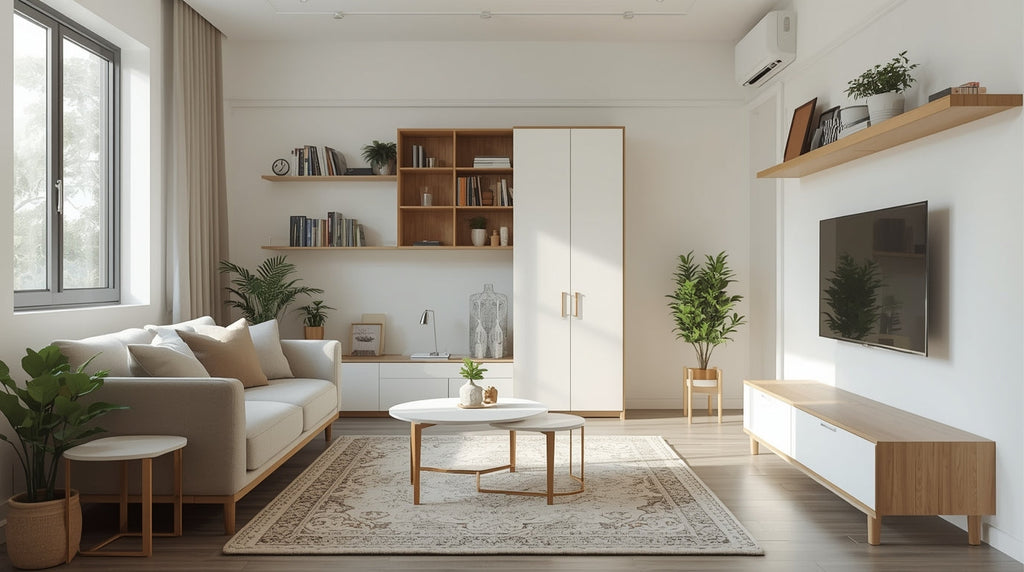
Traditional furniture in Indian homes usually includes large wooden sofas, heavy centre tables, and solid storage units designed for spacious houses. These pieces are durable and timeless, often preferred for their classic appeal. However, in small living rooms in India, such bulky designs can reduce walking space and make rooms feel crowded. While traditional furniture still works well in large independent houses, it is not always ideal for compact apartments.
What Is Nesting Furniture and Why Indians Prefer It
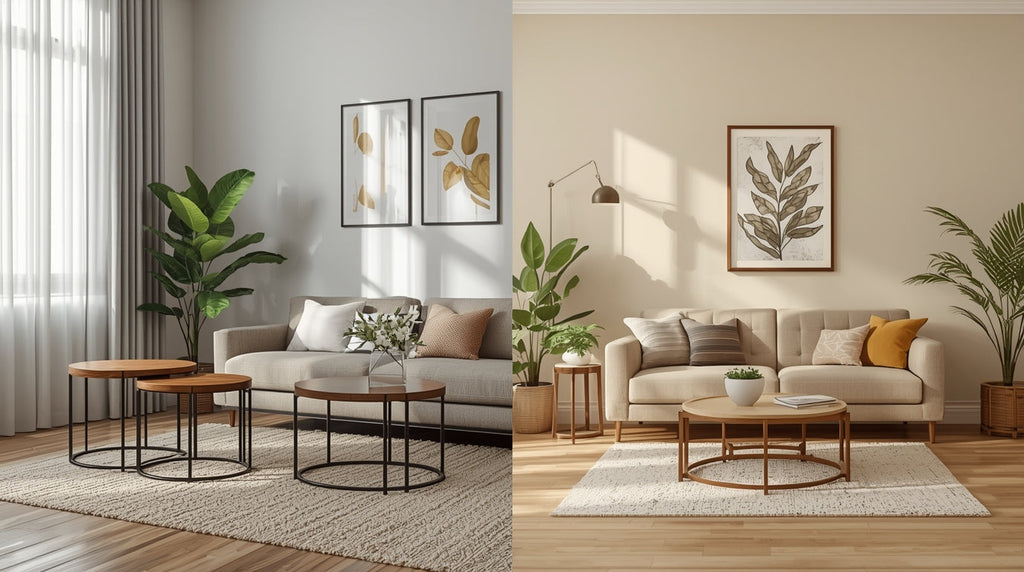
Nesting furniture consists of multiple pieces designed to fit together when not in use. A nesting coffee table India setup is the most common example, where a smaller table slides under a larger one. In modern homes, this type of space saving furniture India is gaining popularity because it adapts easily to daily needs. For Indian families living in apartments, nesting furniture offers flexibility without permanent clutter.
Space Utilization: Nesting vs Traditional Furniture
The biggest difference between nesting furniture vs traditional furniture lies in how space is used. Traditional furniture occupies fixed floor space, which can overwhelm small apartments in India. Nesting furniture allows homeowners to reclaim space whenever needed by stacking pieces together. This makes nesting designs ideal furniture for small Indian homes, where efficient space usage is critical.
Flexibility for Modern Indian Lifestyles
Modern Indian lifestyles demand adaptable furniture. Traditional furniture usually serves a single purpose and remains stationary. In contrast, nesting furniture for Indian homes offers flexibility by allowing easy rearrangement. Whether you need extra surface space for guests or want a clutter-free living room, nesting furniture adjusts effortlessly. This adaptability makes it perfect living room furniture for Indian apartments.
Visual Appeal and Modern Design
Bulky designs add visual weight, which can make rooms feel smaller. Traditional wooden furniture often looks heavy in compact spaces. Modern nesting furniture India, with slim legs and minimalist designs, creates a lighter visual impact. This helps small living rooms look bigger and more open, aligning well with contemporary Indian interior trends.
Durability and Long-Term Value
Durability is often associated with traditional furniture, especially solid wood. However, modern nesting furniture now uses strong materials like engineered wood, metal frames, and tempered glass. When chosen wisely, durable nesting furniture India can last just as long as traditional options while offering better usability in small spaces.
Which Furniture Is Better for Small Indian Apartments?
For small Indian apartments, nesting furniture clearly performs better. Its compact design, flexibility, and space efficiency make it ideal for apartments and rented homes. Traditional furniture may still suit larger houses, but in urban settings, best furniture for small apartments India is usually nesting-based or modular.
Choosing the Right Furniture for Your Home
The right choice depends on your home size and lifestyle. If you value heritage and have ample space, traditional furniture may work. If you live in a compact space, nesting furniture for small living rooms offers better functionality. Many homeowners now mix both by pairing traditional seating with nesting centre tables for balanced design.
Conclusion
When comparing nesting furniture vs traditional furniture, nesting designs clearly suit modern Indian homes better, especially apartments and compact living rooms. They offer flexibility, save space, and create a cleaner, more modern look. Traditional furniture still has its place, but for today’s urban lifestyles, nesting furniture is becoming an essential part of smart home design in India.
Related post
22
Dec

20
Dec